


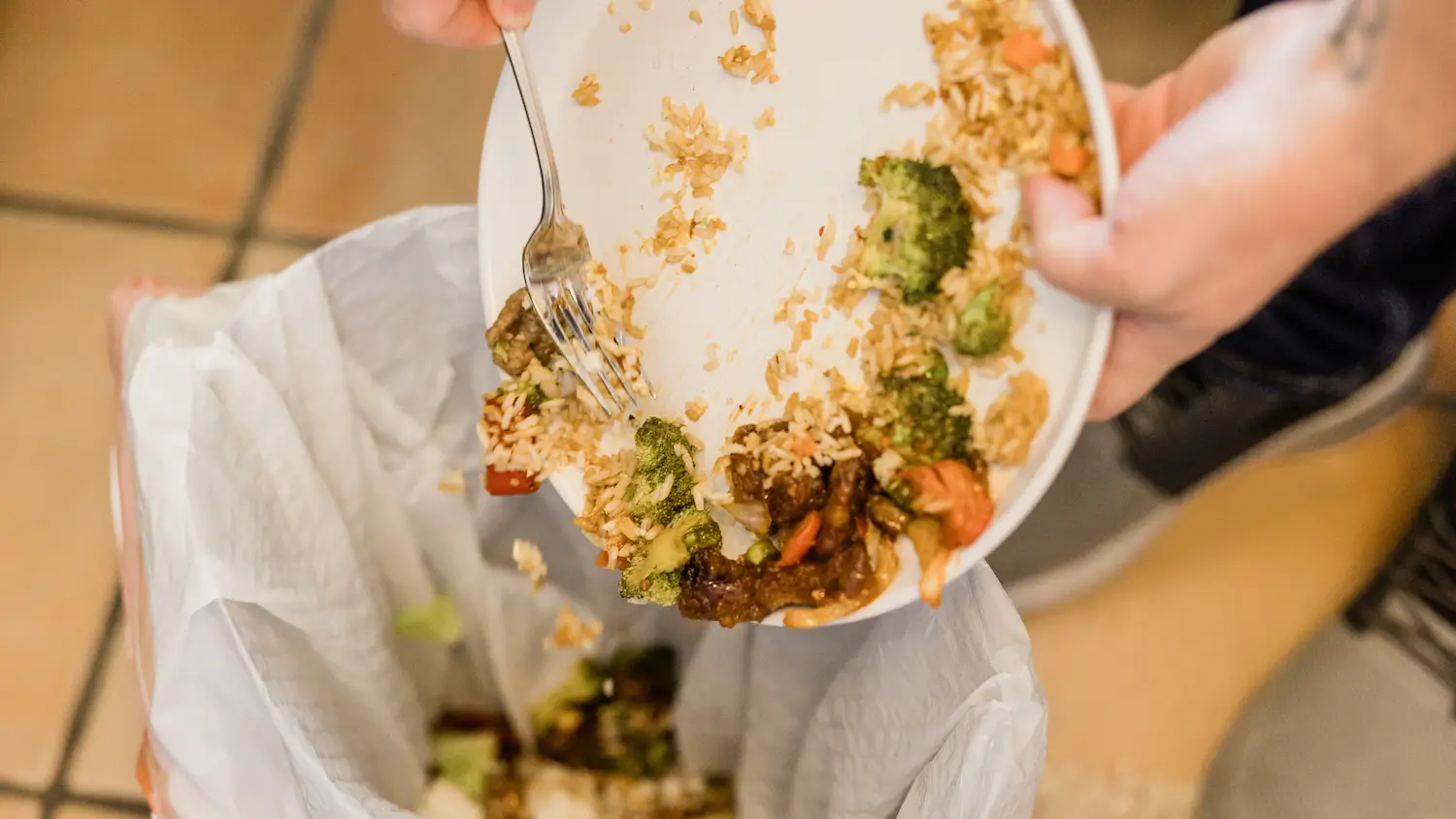
Food waste remains one of the most pressing sustainability challenges of our time. In 2025, despite growing global awareness, food waste is expected to reach unprecedented levels, making the issue even more urgent. With over 2.5 billion tonnes of food projected to be lost or wasted this year, the need for effective solutions has never been greater. Frylite Solutions is proud to play a local role in this global challenge, offering practical services that help businesses reduce food waste and promote a more sustainable future.
Contact Us Today for Your Used Cooking Oil
Food Waste: A Global Issue with Local Impacts
The global food system is astonishingly inefficient. By 2025, estimates suggest that over 2.5 billion tonnes of food will be lost or wasted each year. This happens while more than 2.3 billion people worldwide remain food insecure.
Food waste is much more than an ethical issue; it has devastating environmental consequences. Decomposing food in landfills releases methane, a greenhouse gas significantly more potent than carbon dioxide. Furthermore, food waste represents an enormous loss of resources: water, energy, land, and labour.
Roughly 70% of global freshwater withdrawals go towards agriculture, making any wasted food a direct contributor to water stress. Add to that the energy and emissions tied to producing, transporting, and storing food, and the scale of the problem becomes even clearer.
While food waste is a global challenge, it manifests differently depending on the local context. That’s why Frylite Solutions focuses on helping hospitality businesses take meaningful action at the local level, turning kitchen waste into bioresources through recycling and renewable energy conversion.
Food Waste vs. Food Loss: What’s the Difference?
To tackle the problem effectively, it’s important to distinguish between food loss and food waste:
- Food loss typically occurs earlier in the supply chain, whether that’s during harvesting, handling, processing, or transportation. It’s often unintentional and results from infrastructure gaps, spoilage, or poor storage.
- Food waste, on the other hand, happens further along the chain—at the retail and consumer stages. This is often avoidable and linked to behaviour, portion sizes, best-before dates, and purchasing habits.
Different stages require different interventions. While food loss may require investment in logistics and storage, food waste calls for changes in policy, consumer awareness, and business practices. Frylite Solutions works directly with food service providers, helping them tackle downstream waste through reliable waste oil collection, reporting, and food waste recycling.
Why the Problem is Growing
Despite advances in awareness, several factors are contributing to rising food waste:
- Population growth continues to put pressure on global food systems.
- Climate change affects crop yields, causing mismatches between supply and demand.
- Outdated infrastructure in both developed and developing countries leads to spoilage.
- Overproduction and cosmetic standards in supermarkets result in edible food being discarded.
- Consumer habits, such as misunderstanding expiry labels or buying in excess, further compound the issue.
Although initiatives like promoting “ugly produce” have started to shift perceptions, adoption has been slow. Changing mindsets and systems is a gradual process, but one that is crucial to meeting future sustainability goals.
Sustainable Food Waste Management in 2025
The United Nations’ Sustainable Development Goal 12.3 aims to halve global food waste by 2030. Although progress has been uneven, the movement is gaining traction. Circular food systems, where waste is minimised, and by-products are repurposed, are now a key area of innovation.
Technological advancements are making it easier for businesses to measure, monitor, and manage waste. Governments are also adopting stronger policies and regulations to drive compliance. One proven framework, Target–Measure–Act, is helping countries and companies set waste reduction targets, quantify progress, and take informed action.
Frylite Solutions is proud to support this transition with services tailored for hospitality businesses, including monthly reporting that enables clients to track their waste and take steps to reduce it.
Ireland’s Role in the Global Waste Landscape
Ireland produces just under 900,000 tonnes of food waste each year. Major contributors include households, retailers, and the food service industry. Recognising the need for urgent action, Ireland has implemented several policies:
- Waste Framework Directive (EU-wide)
- Waste Management (Food Waste) Regulations 2009
- Circular Economy Act 2022
Frylite Solutions is aligned with these initiatives, helping food businesses divert waste from landfill. To date, we have helped divert over 5,000 tonnes of food waste, converting it into valuable biogas and biofertiliser. Our data-led approach empowers our clients to understand where waste occurs and how it can be avoided.
What Can Businesses Do in 2025?
To address the food waste challenge in 2025, businesses can take several practical steps:
- Audit and track food waste to identify key problem areas.
- Plan smarter by managing stock levels and portions more effectively.
- Donate surplus food that is safe and edible.
- Work with experts like Frylite Solutions for hassle-free collection, recycling, and sustainability reporting.
These actions don’t just benefit the environment, they can ultimately improve profitability, strengthen customer trust, and align with evolving regulations and consumer values.
Final Thoughts
The scale of global food waste in 2025 demands immediate and sustained action. From international organisations to small food businesses, everyone has a role to play. While the challenge is complex, it is also solvable, with the right data, partnerships, and commitment.
Frylite Solutions is here to help businesses take the next step. Contact us today to reduce food waste and support sustainable practices that matter.


